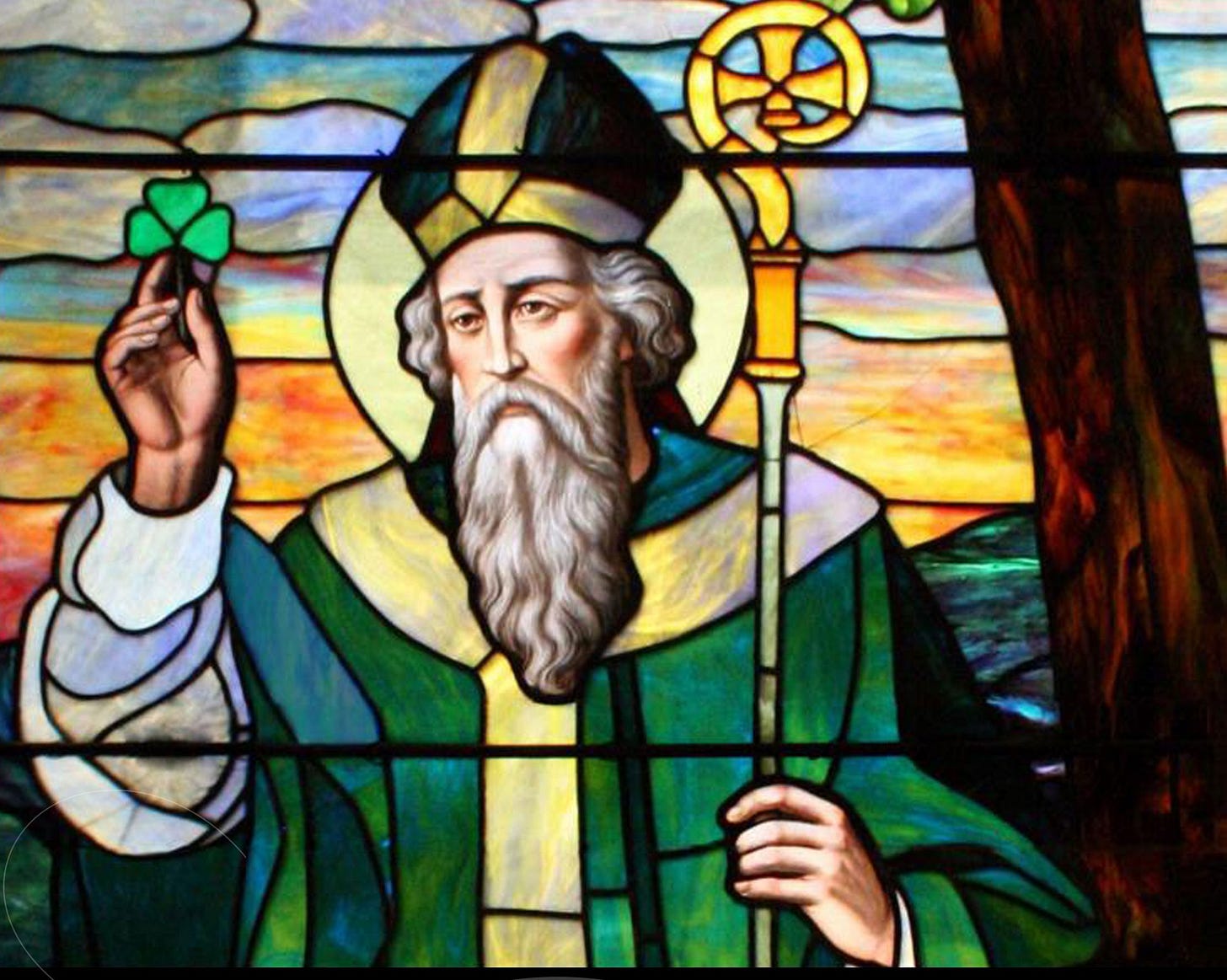
I’m not a fan of St. Patrick’s Day. I love the saint, but the day has become synonymous with rowdy celebrations, drunken revelry, and things broadly Irish. But there’s more to the day than the green beer and leprechaun hats, like the saintly man whose missionary journey to Ireland had a profound impact on both Ireland and the universal Christian Church. In our day, it’s a reminder that we have a Gospel that needs to be taken those around us.
In the modern world, Saint Patrick's Day has become synonymous with rowdy celebrations, drunken revelry, and all things Irish. However, beyond the green beer and leprechaun hats lies the true story of a remarkable man whose missionary work had a profound impact on both Ireland and the universal Christian church. Saint Patrick's Day, in its truest sense, is not about avoiding the lost, but rather bringing them good news. This article explores the inspiring journey of Patrick, the man who pioneered the gospel among an unreached people, and how his legacy continues to influence us today.
St. Patrick - a Missionary Who Sees Beyond Misconceptions
Though the Irish celebrated St. Patrick for centuries before, March 17th was “officially” recognized at St. Patrick’s Day in 1631 (he wasn’t added to the Russian calendar until 2017!). St. Patric was a godly missionary who took the Gospel of Christ to Ireland in the fifth century. Keep in mind, those who were not living within the Roman Empire at the time were regarded as uncivilized barbarians and it was generally assumed that their illiteracy and uncontrolled emotions rendered them unreachable by the Gospel. St. Patrick saw things differently - after being held captive in Ireland for six years, he knew their language, understood their culture, and had a respect for their culture. He saw beyond the prevailing misconceptions and saw the potential for the Irish people to embrace the Christian faith.
St. Patrick’s Unexpected Journey
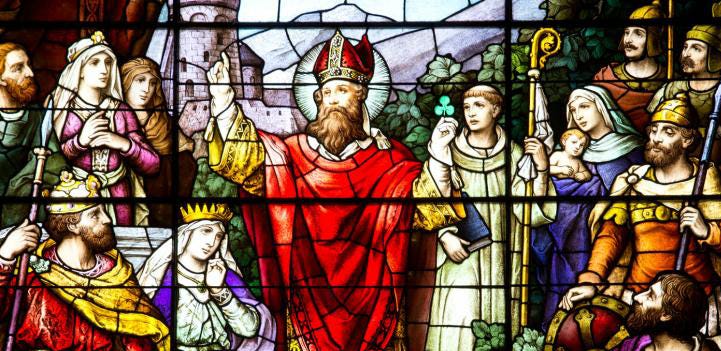
St. Patrick was born in the late fourth century (often believed to be around 385 AD), to a Romanized family in what is now northeast England. His early life was rooted in a Christian family - his father was a deacon, and his grandfather was a priest in the Celtic Britons community. Despite this religious upbringing, St. Patrick wasn’t very religious, but he was, according to his own account, “idle and callow.” When he was 16, his life took an unexpected turn - he was kidnapped by Irish raiders and forced into a life slavery.
During his six years in captivity, serving under a tribal chief who was also a druid, Patrick experienced a spiritual transformation. In the midst of his hardship, St. Patrick didn’t lose faith or fall into despair, but instead he found solace in the faith of his childhood. His time in bondage led to a true conversion of St. Patrick, a time when he found and grew in his faith in Christ. It also deepened his understanding of the Irish Celtic people, their language, and their culture, giving him a heart for the people who had captured him.
Six years later, St. Patrick managed to escape and return to Britain. He wasn’t the idle and callow man he was, but was a new man in Christ. With his newfound faith, he answered a call to serve in a religious vocation. He entered formal studies and was ordained deacon and eventually a priest.
St. Patrick, like St. Joseph, had found a calling in slavery. Over the next several years, he had visions, much like St. Paul’s call to Macedonia, that would ultimately lead him back to the land of his captivity. God was calling him to bring the Gospel to Ireland. His conviction led him to embark on a mission to spread Christ to the same people who enslaved him, much as Joseph brought salvation to his brothers who sold him into bondage.
St. Patricks Missionary Work
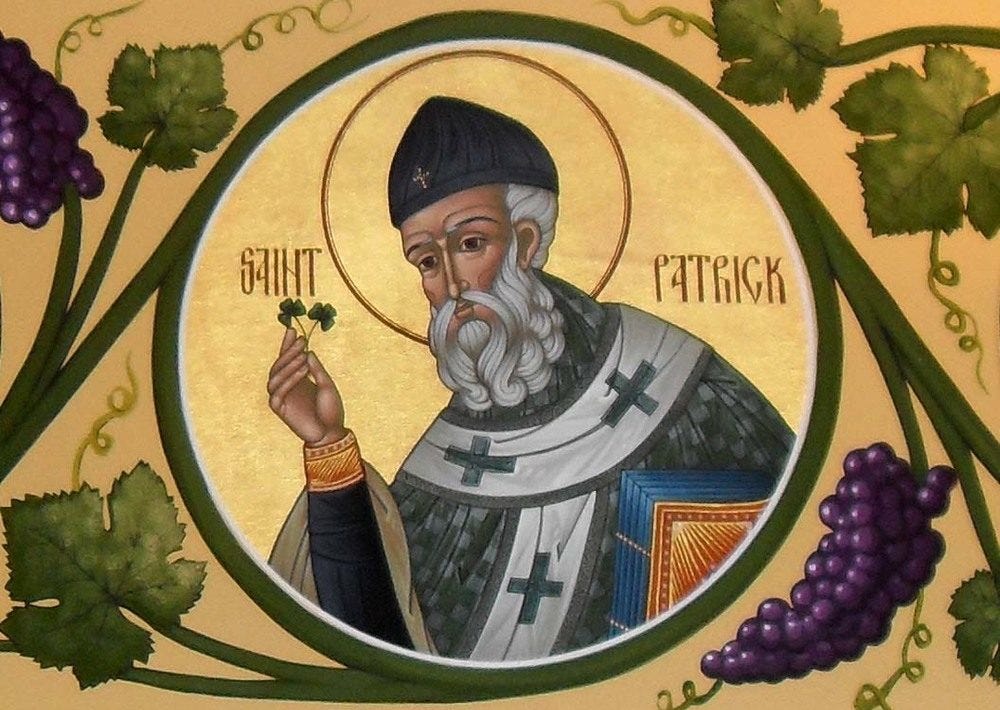
At 48, St. Patrick returned to Ireland. His approach to spreading the gospel was unique and tailored specifically to the Irish people. Instead of Romanizing the Irish, which had become the norm for many missionaries in the West, he sought to bring Gosepl to the Irish within their own cultural context and understanding. Instead of imposing Roman customs and traditions onto the Irish, as was the typical missionary method of the fifth-century church, Patrick sought to bring the gospel to the Irish within the context of their own culture. He was unconventional and caught the eye of others within the Church’s leadership. His departure from the missionary work that was expected led to disagreements and debates, but his work was effective.
St. Patrick's knew the Irish language. He lived among the Irish Celts and understood their culture. By God’s grace, he took his time in slavery and was able to use the traditions and beliefs of the Irish to connect people to Christ. He didn’t try to supplant Irish culture, but he brought Christ into an Irish context, much as St. Paul did in the temple to the unknown God. This approach allowed the Irish to embrace the Christian faith while preserving their cultural identities.
Despite the effectiveness of his methods, Patrick faced significant backlash from British leaders. Just like the Jewish leaders of Christ’s day, religious leaders didn’t like to see St. Patrick with the 'pagans,' 'sinners,' and 'barbarians' of Ireland. He followed the example of Christ, who visited the homes of tax collectors, ate with sinners, and taught prostitutes.
To Be Like St. Patrick
Saint Patrick's life and mission are a testament to what we as Christians are called to and serve as an example for us in how we are to “go into all the world and proclaim the gospel to the whole creation” (Mark 16:15). This approach to evangelism, rooted in cultural understanding, paved the way for the Christian faith to take root in Ireland -it’s a lesson that I hope inspires and challenges us as Christians today, reminding us of the importance of cross-cultural understanding, collaboration, and perseverance in sharing the gospel with the world.